

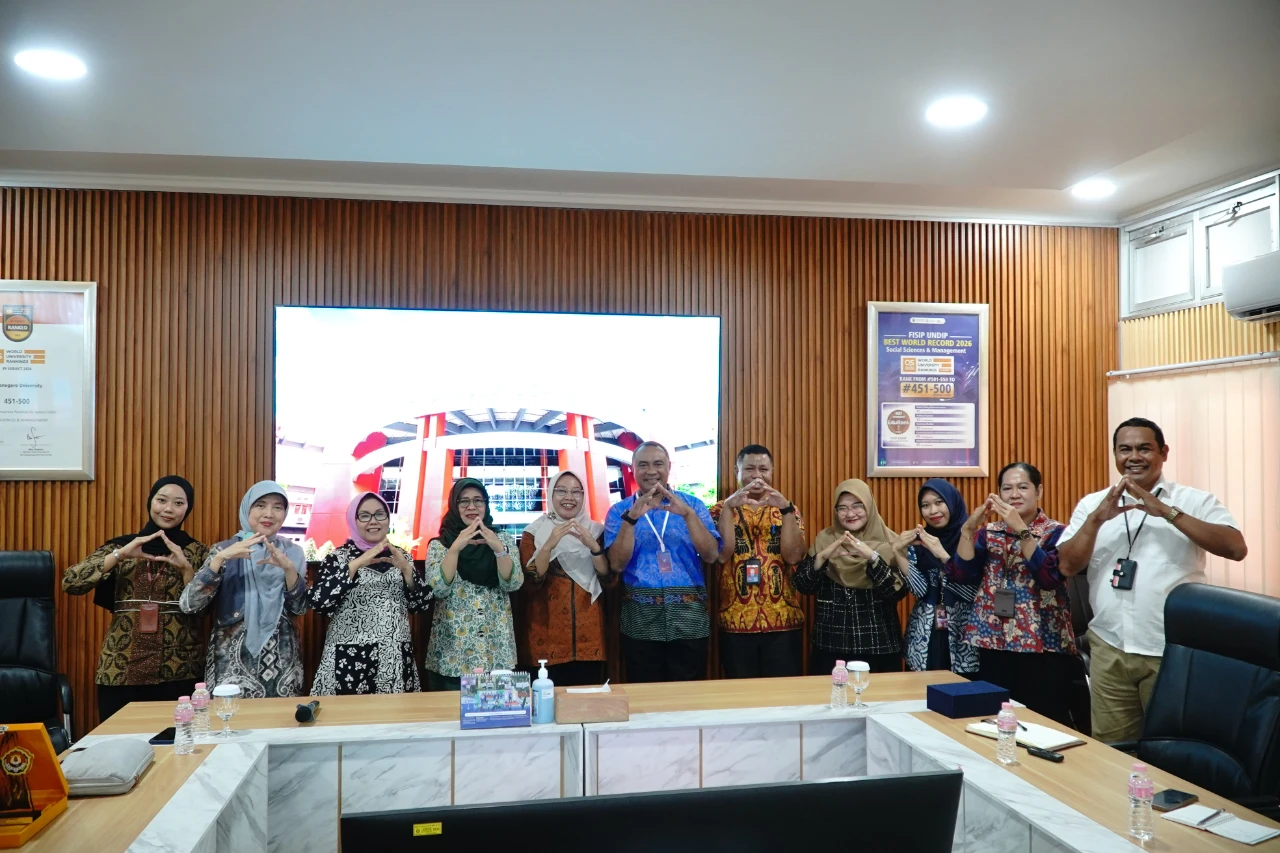
Semarang, July 22, 2026-The Faculty of Social and Political Sciences, Universitas Diponegoro, welcomed a delegation from the Faculty of Social and Political Sciences, Musamus University, Merauke, as part of an academic agenda on Study Program Accreditation Governance Assistance and Curriculum Reconstruction. The activity was held on Tuesday–Wednesday, July 21–22, 2026, at the Faculty of Social and Political Sciences, Universitas Diponegoro.
The visit specifically focused on strengthening academic governance, curriculum development, and study program capacity through discussion and assistance sessions with the Department of Public Administration, FISIP UNDIP. The agenda served as a platform for sharing good practices in the design, implementation, and evaluation of an Outcome-Based Education (OBE) curriculum, particularly in connecting graduate profiles, program learning outcomes, course learning outcomes, learning activities, assessment, and continuous improvement mechanisms.
Based on the official request submitted by FISIP Musamus University, this activity was conducted to support the strengthening and improvement of study program governance within FISIP Musamus University, particularly in relation to curriculum reconstruction assistance for the Master’s Program in Public Administration and the Department of State Administration. The two-day program included a general session on curriculum and OBE concepts, as well as a workshop on the formulation of graduate profiles, program learning outcomes, course learning outcomes, and OBE-based curriculum mapping.
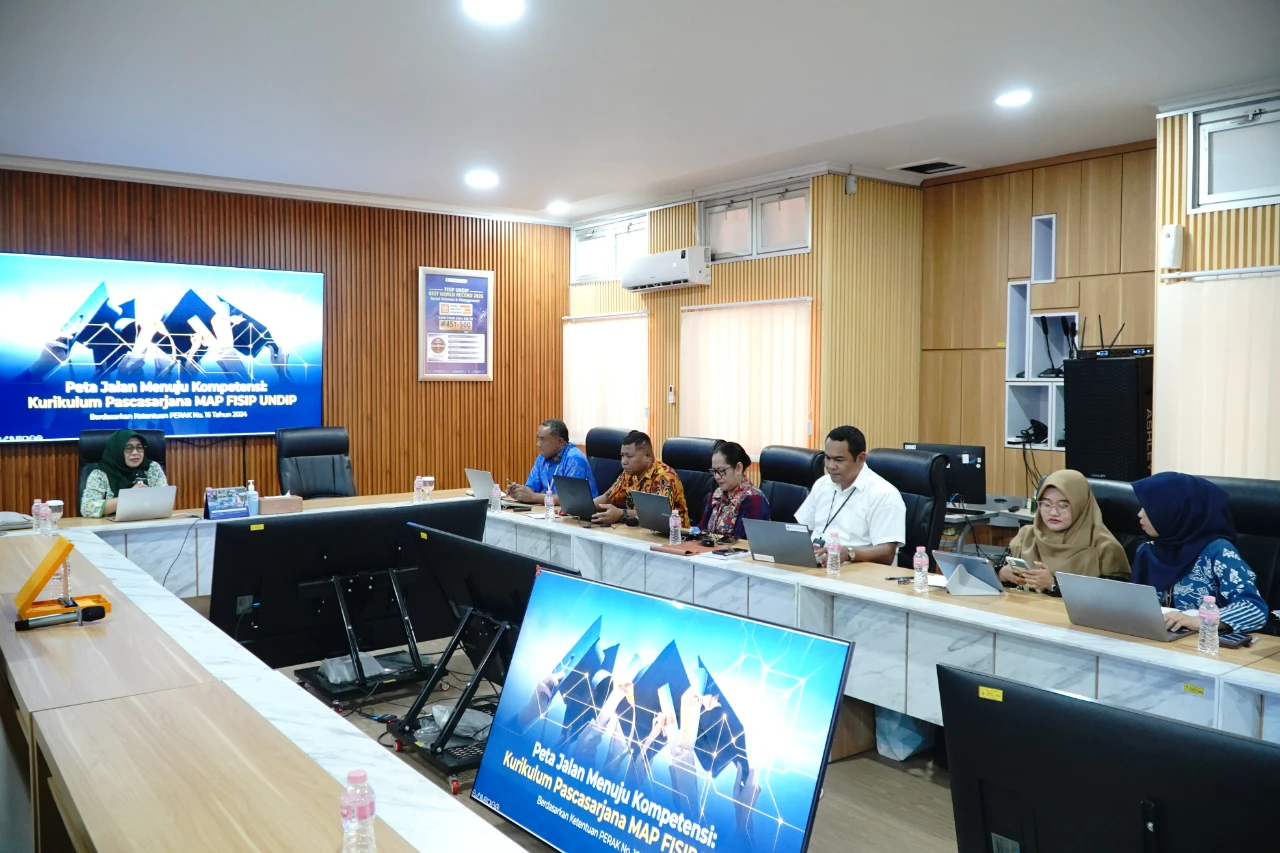
The Department of Public Administration, FISIP UNDIP, welcomed the visit as part of the faculty’s commitment to expanding academic contribution and strengthening inter-university collaboration. Through this forum, FISIP UNDIP did not merely act as a host institution, but also as an academic partner sharing experience in curriculum management, learning outcome mapping, and study program quality enhancement in line with accreditation standards and the evolving needs of higher education.
The assistance materials emphasized that OBE is not merely a matter of preparing course plan formats. Rather, it is a comprehensive approach to designing education by beginning with the final competencies expected from graduates. Within this framework, curriculum is not only understood as a list of courses, but as a system that ensures graduates possess observable, measurable, and demonstrable competencies through relevant learning experiences and assessments.
Through the Undergraduate Program in Public Administration, FISIP UNDIP presented the direction of the 2024 Curriculum, which places publicness, collaboration, sustainability, global orientation, and digital technology as the key foundations of academic development. The curriculum is designed to prepare graduates to become public activity implementers, public organization managers, junior policy analysts, and research assistants in the field of public affairs.
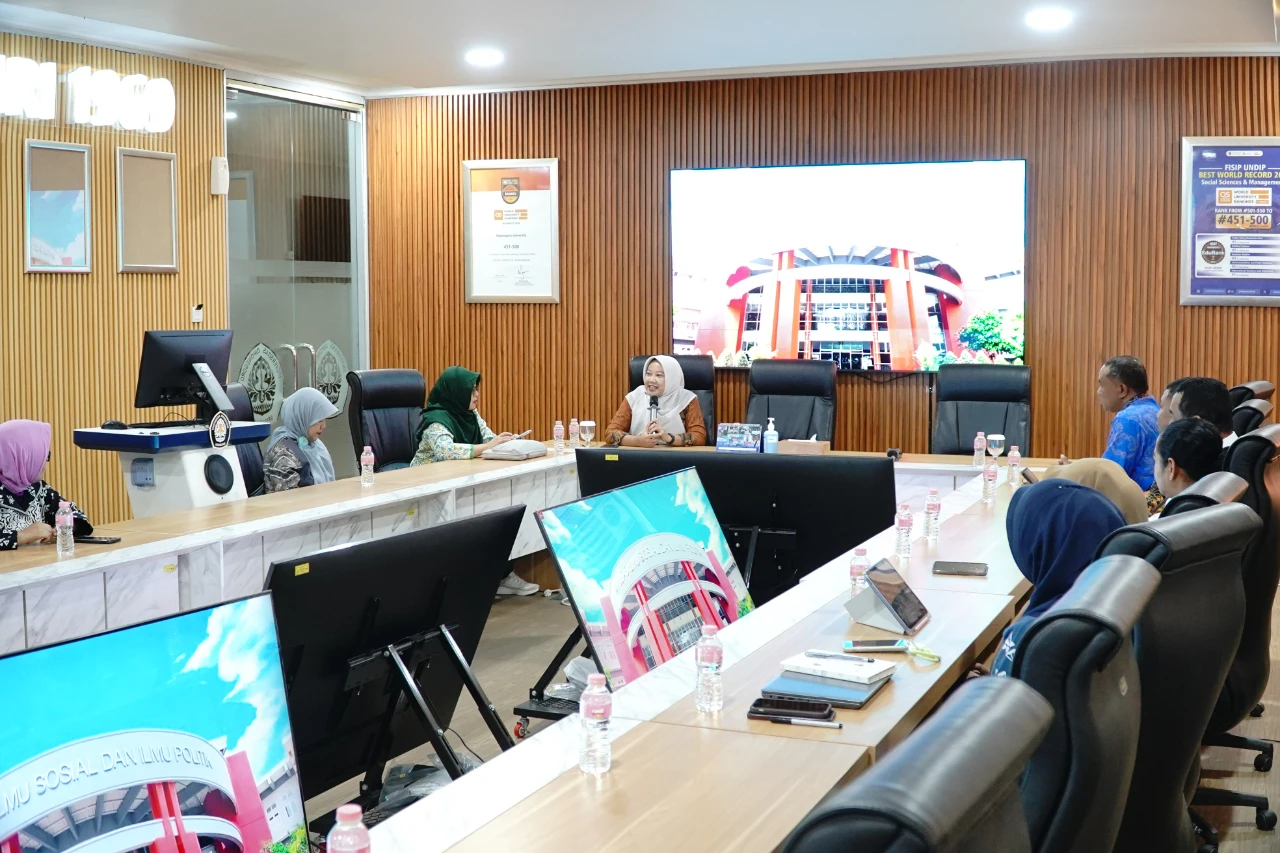
In addition to discussing curriculum design, the activity also highlighted the importance of consistency in implementation at the study program and course levels. The alignment between graduate profiles, program learning outcomes, course learning outcomes, learning materials, semester structure, learning methods, and assessment must be maintained so that the curriculum does not remain merely an administrative document, but functions as a substantive instrument for student competency development.
On the first day, the agenda included registration, opening session, group photo, welcoming remarks, and a general presentation on curriculum and OBE concepts by resource persons from FISIP UNDIP. Meanwhile, the second day focused on a workshop on the formulation of graduate profiles, program learning outcomes, course learning outcomes, and OBE-based curriculum mapping, followed by a group photo and closing session.
This activity also holds strategic importance for FISIP UNDIP in supporting the achievement of faculty performance targets and the vision of becoming a world-class faculty and campus. Through academic collaboration across higher education institutions, FISIP UNDIP continues to strengthen its role as an academic institution that is not only excellent in education, research, and community service, but also actively contributes to quality enhancement in Indonesian higher education.
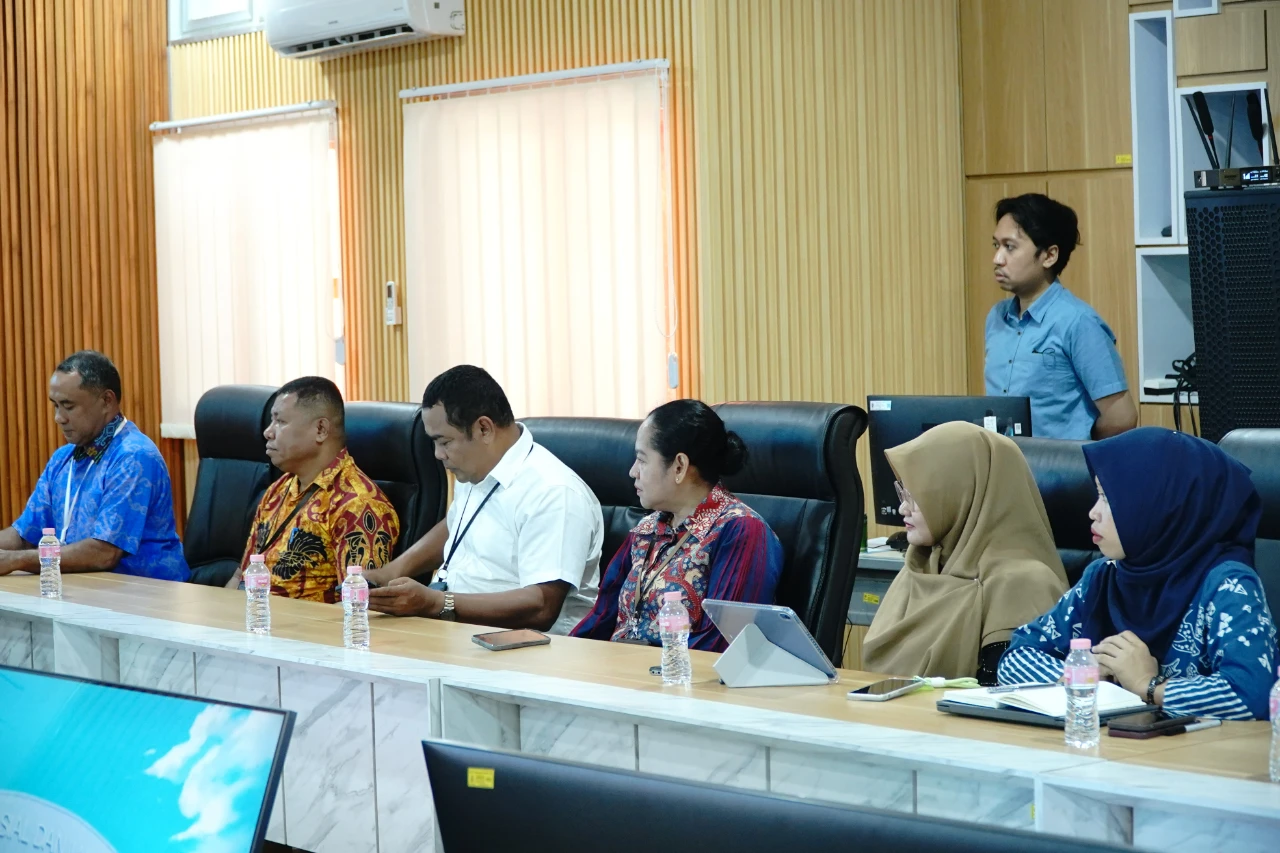
The visit of Musamus University to FISIP UNDIP reflects a concrete form of collaboration, knowledge exchange, and institutional capacity strengthening. Through this activity, both institutions are expected to continue building productive cooperation, particularly in academic governance development, curriculum strengthening, accreditation quality improvement, and the development of study programs that are adaptive to current higher education challenges.
FISIP UNDIP remains committed to becoming an open, collaborative, and impactful academic space. In line with the spirit of “Bermartabat dan Bermanfaat”, FISIP UNDIP continues to encourage the strengthening of academic networks as part of its contribution to advancing higher education that is high-quality, relevant, and globally competitive.