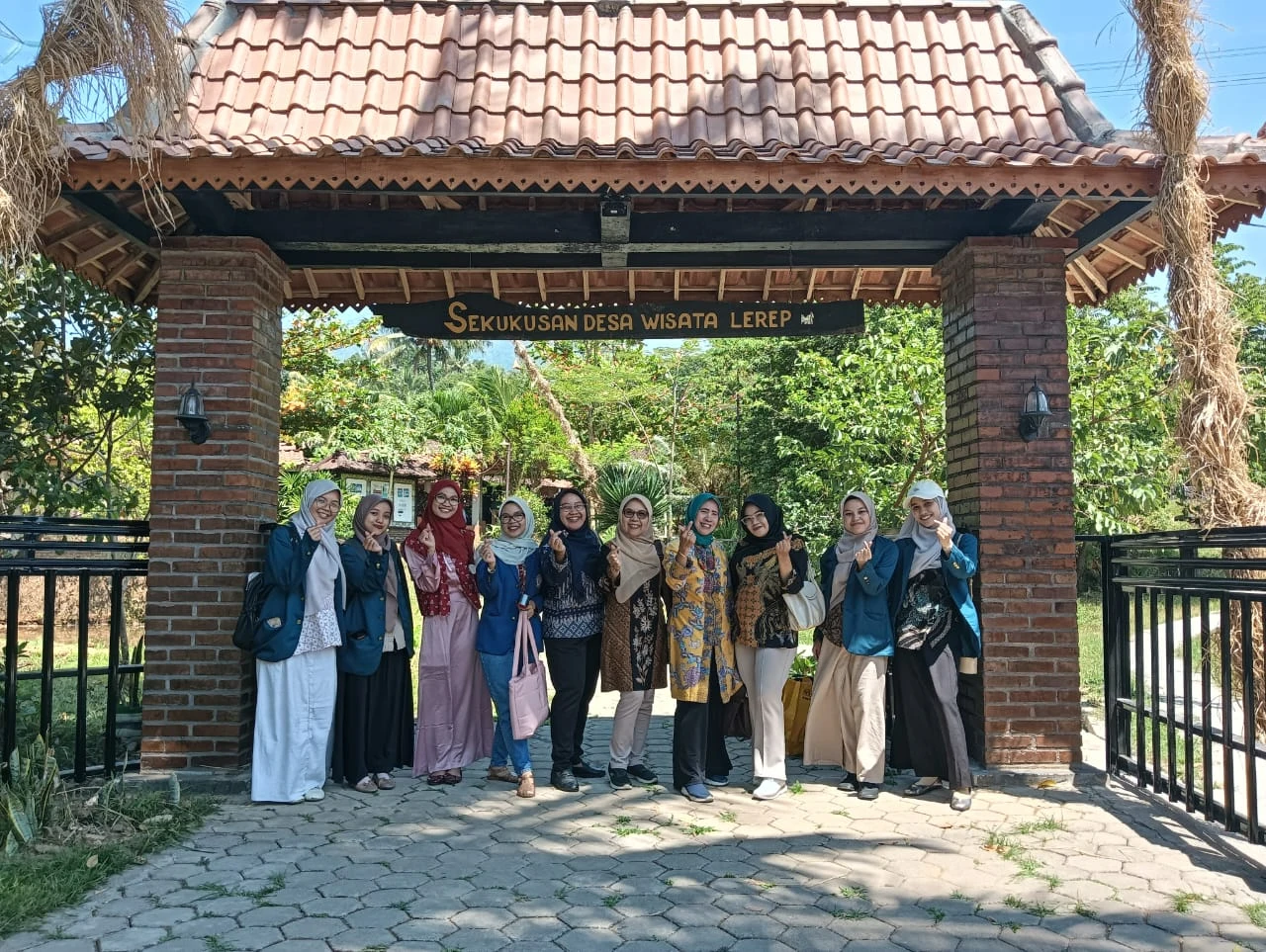
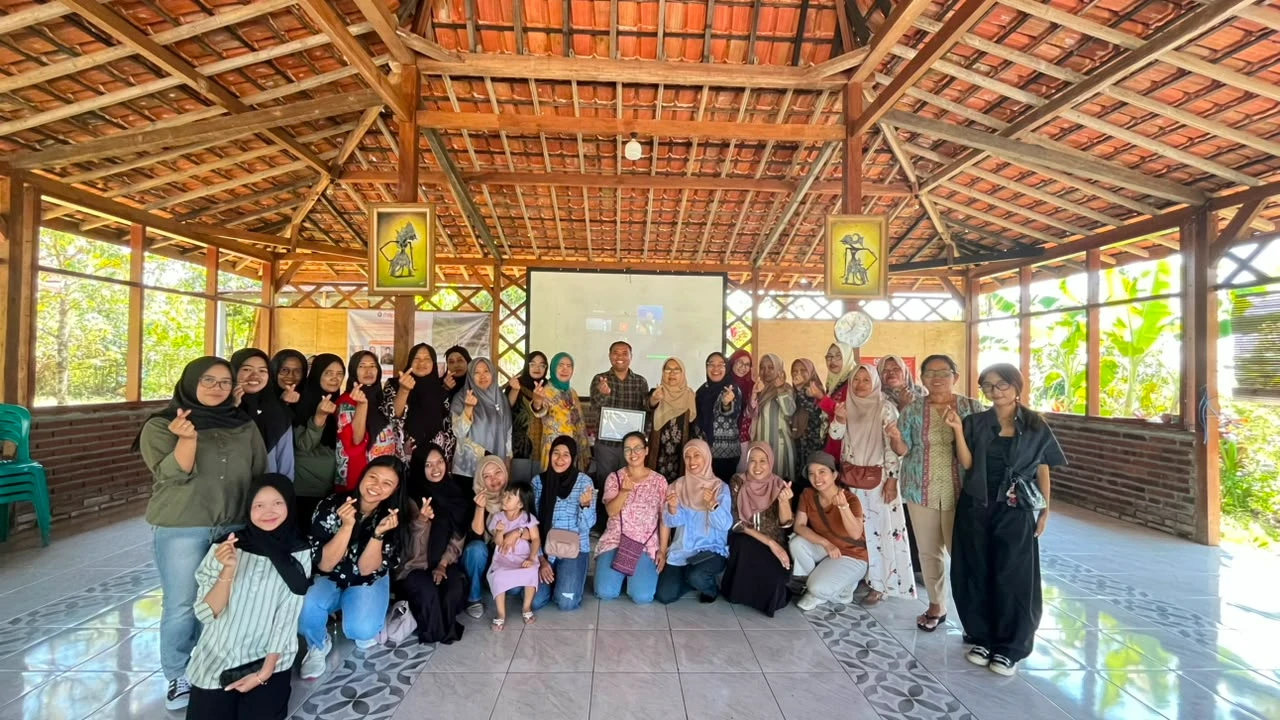
Lerep, August 9, 2026 – The Community Service Team (PKM) from the Public Policy Expertise Group, Department of Public Administration, Faculty of Social and Political Sciences (FISIP), Universitas Diponegoro (UNDIP), conducted a hybrid community service activity in Lerep Tourism Village, Semarang Regency, on Sunday (9/8). This activity represents a tangible implementation of the Tri Dharma of Higher Education, focusing on strengthening community capacity through knowledge transfer, mentoring, and the development of adaptive and sustainable tourism governance.
What makes this initiative particularly noteworthy is that it involved more than just UNDIP. The academic collaboration also brought together lecturers from Universitas Warmadewa and Universitas Mahendradatta in Bali. This cross-university synergy was directed toward enriching multidisciplinary perspectives in rural tourism development, covering aspects such as governance, community empowerment, economic sustainability, and environmentally conscious tourism management.
Carrying two major themes, the coaching PKM activity was titled “Integrated Tourism Governance Mentoring to Encourage Community Economic Sustainability.” Meanwhile, the independent PKM activity adopted the theme “Community Mentoring in Managing Environmentally Conscious and Economically Sustainable Tourism.” Both themes were designed to strengthen the role of local actors in managing tourism potential in a participatory manner with a long-term orientation.
The activity was led by Prof. Dr. Kismartini, M.Si., assisted by undergraduate and graduate students, and successfully engaged approximately 30 participants. They came from various community groups in Lerep Tourism Village, including managers of the Tourism Awareness Group (Pokdarwis) coordinated by the Chairman, Mr. Bayu, as well as members of the PKK (Family Welfare Movement), Karang Taruna (Youth Organization), and the Women Farmers Group (KWT). The involvement of these diverse elements reflects a community-based tourism approach, positioning local residents as strategic actors in destination planning and development.
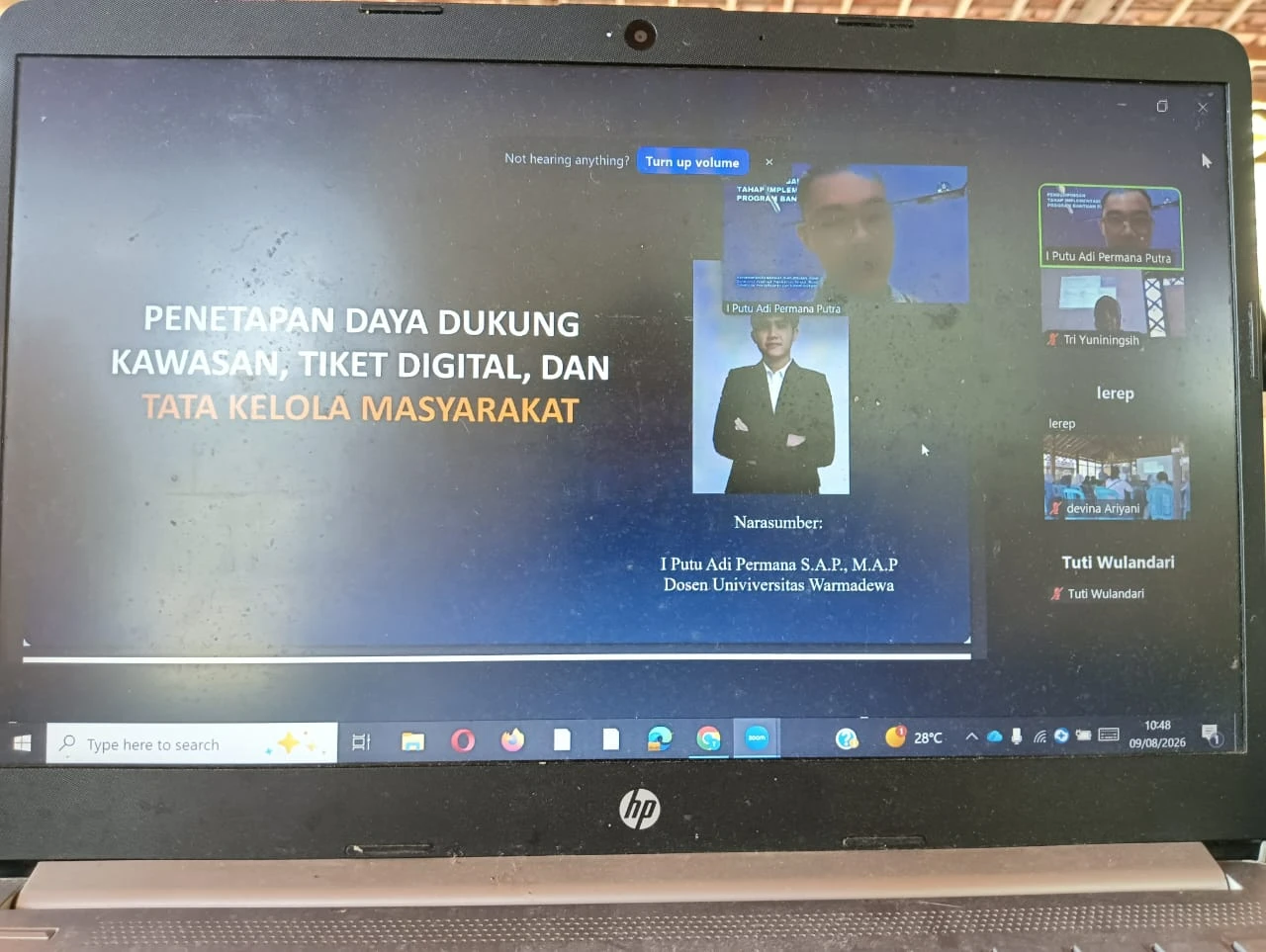
The material presentations and mentoring sessions were delivered by a distinguished team of academics. From UNDIP’s Department of Public Administration, the speakers included Dr. AP. Dra. Tri Yuniningsih, M.Si., Retna Hanani, S.Sos., MPP., Rosanila Woro Subekti, S.Sos., M.AP., and Asih Widi Lestari, S.Sos., M.AP. From Universitas Mahendradatta Bali, Ni Putu Arie Setiawati, S.E., M.AP., participated, while Universitas Warmadewa was represented by I Putu Adi Permana, S.AP., M.AP.
The materials emphasized several crucial points, including strengthening community institutional capacity, multi-actor collaboration, local potential management, service innovation, and the integration of economic and environmental dimensions. This approach is expected to promote tourism governance that does not merely pursue an increase in visitor numbers but also creates local economic value, strengthens institutions, preserves the environment, and ultimately improves community welfare in a sustainable manner.
This community service activity also served as a space for equitable knowledge exchange between academics and the community. The cross-campus collaboration demonstrates that tourism village development requires a synergy of academic knowledge, institutional capacity, and local wisdom and experience.
Looking ahead, this activity is expected to make a tangible contribution to strengthening Lerep Tourism Village as a participatory, inclusive, competitive, and environmentally friendly destination. Furthermore, the partnership between UNDIP, Universitas Warmadewa, and Universitas Mahendradatta Bali is expected to continue evolving into a sustainable collaboration in research, community service, policy innovation, and capacity development for tourism villages across Indonesia.